If you’re planning to build, renovate, add onto, or significantly modify a property, one of the first questions to answer is:
Do I need a construction permit?
In many cases, some form of permit or approval is required.
However, the exact requirements depend on your location, the type of project, the property’s characteristics, and local building regulations.
Because requirements vary, homeowners should always verify the applicable rules with the relevant local authority and their construction professional.
What Is a Construction Permit?
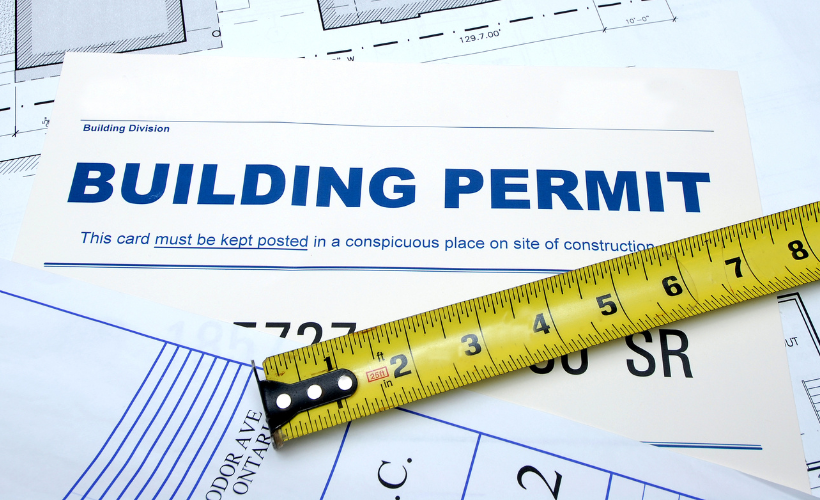
A construction permit is an official approval allowing certain types of building work to proceed.
The purpose of the permitting process is generally to ensure that proposed construction complies with applicable building, safety, structural, zoning, electrical, plumbing, fire, and other requirements.
The exact process differs from one jurisdiction to another.
When Might You Need a Permit?
Permit requirements vary, but permits are commonly associated with projects such as:
- New home construction
- Home additions
- Structural modifications
- Major remodeling
- Electrical work
- Plumbing work
- HVAC modifications
- Demolition
- Certain exterior structures
Not every project requires the same approvals.
A small cosmetic improvement may have different requirements from a major structural renovation.
Why Do Construction Permits Matter?
Permits aren’t simply paperwork.
They can help ensure that important aspects of construction are reviewed according to applicable regulations.
This can include structural safety, electrical systems, plumbing, fire safety, and other building requirements.
Permitting can also create a documented record of permitted work.
What Happens If You Build Without Required Permits?
The consequences depend on the jurisdiction and circumstances.
Unpermitted work can create problems when:
- Selling the property
- Refinancing
- Obtaining insurance
- Applying for future permits
- Making additional renovations
Authorities may require work to be inspected, corrected, or documented after the fact.
The safest approach is to determine permit requirements before starting work.
Who Is Responsible for Obtaining the Permit?
This varies by project and contract.
In some situations, the contractor handles permit applications.
In others, the property owner may have responsibilities.
Your construction contract should clearly identify:
- Who applies for permits
- Who pays permit fees
- Who schedules inspections
- Who responds to permit comments
- Who is responsible for revisions
Never assume these responsibilities are automatically included.
What Information May Be Required?
A permit application may require various forms of documentation.
Depending on the project, this can include:
- Architectural drawings
- Site plans
- Structural drawings
- Engineering documents
- Property information
- Construction specifications
- Energy documentation
- Contractor information
More complex projects may require additional documentation.
The Typical Permit Process
While the details vary by location, a construction approval process may generally look something like this:
1. Develop the Plans
The project begins with drawings and specifications that describe what will be constructed.
2. Determine the Requirements
The owner or contractor identifies which permits and approvals apply.
3. Submit the Application
The required documents are submitted to the appropriate authority.
4. Review
The application may be reviewed for compliance with applicable requirements.
5. Respond to Comments
If revisions or additional information are requested, the plans may need to be updated.
6. Receive Approval
Once the required approvals are obtained, construction can proceed according to the approved documents.
7. Schedule Inspections
Inspections may occur at various stages of construction.
8. Complete the Project
Required final inspections and approvals are completed before the project is considered finished.
The exact process can differ substantially by location.
How Long Do Permits Take?
There is no universal answer.
Some approvals may be relatively straightforward.
Others can take considerably longer, particularly when projects are complex or require revisions, multiple agencies, zoning approvals, or additional documentation.
This is why permit timing should be incorporated into the project schedule from the beginning.
Can You Start Construction While Waiting for a Permit?
Do not assume that you can.
Whether any work can begin before a particular approval is issued depends on the local requirements and project circumstances.
Your contractor should confirm what is permitted before work starts.
Starting unauthorized work can create unnecessary problems.
How Permits Affect Your Construction Timeline
Permits can influence more than the project’s start date.
Design revisions, inspections, and approval requirements can affect the sequence of construction.
For example, certain work may need to be inspected before it is covered by drywall or other finishes.
This means the contractor needs to coordinate the construction schedule around required inspections.
How a General Contractor Can Help
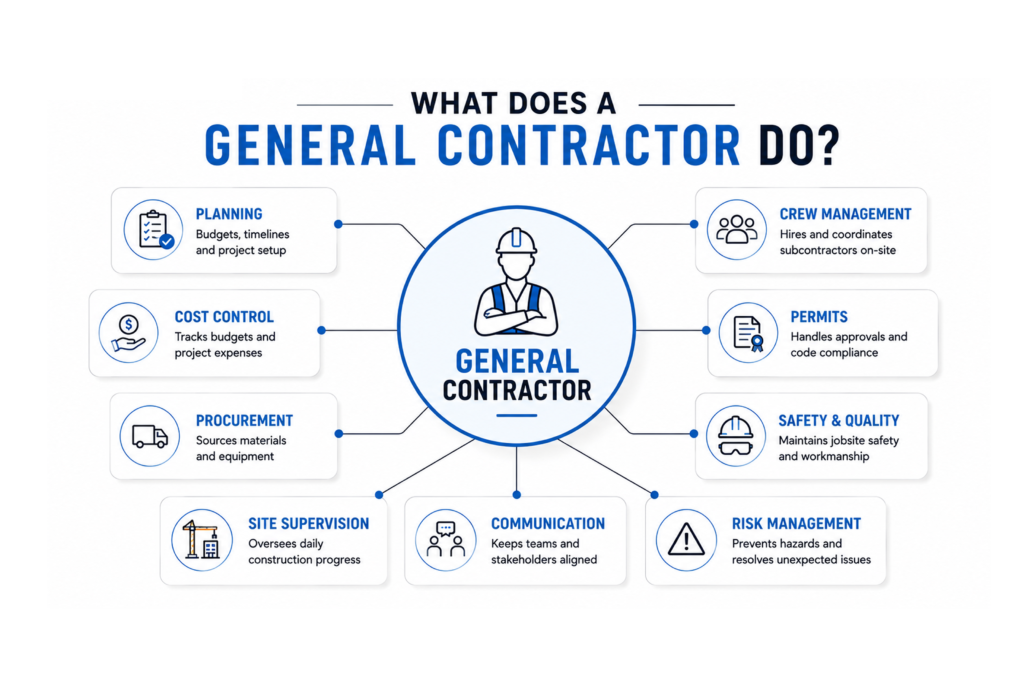
An experienced general contractor can help navigate the permitting process by:
- Identifying likely permit requirements
- Coordinating documentation
- Communicating with relevant authorities
- Scheduling inspections
- Coordinating revisions
- Incorporating approvals into the construction schedule
The contractor should still clearly explain what is included in their services.
Common Permit Mistakes
Starting Work Too Early
Don’t assume approval is unnecessary because a project seems simple.
Assuming All Work Requires the Same Permit
Different types of work can have different requirements.
Forgetting Inspections
Obtaining a permit doesn’t necessarily mean the project is finished from a regulatory perspective.
Required inspections may still need to be completed.
Making Unapproved Changes
If the constructed work differs materially from approved plans, additional approval may be necessary.
Failing to Keep Documentation
Keep copies of permits, approved plans, inspection records, and other relevant documents.
Construction Permits and Your Contractor
If you’re hiring a general contractor, discuss permitting during the initial planning stage.
Ask:
- Which permits do you expect this project to require?
- Who will obtain them?
- Are permit fees included?
- Who schedules inspections?
- What happens if plans need to be revised?
- Will the approved plans be available to me?
Getting these questions answered early can prevent confusion later.
Final Thoughts
Construction permits are an important part of many building and remodeling projects.
The exact requirements vary by location and project, so homeowners should not rely on generic online advice when determining which approvals are legally required.
Instead, discuss the project with your contractor and confirm the requirements with the appropriate local authority before work begins.
Proper planning can help prevent delays, unexpected costs, and problems when the project is completed.
Planning a construction or remodeling project? Contact our team to discuss your scope and learn how we can help coordinate the construction process from planning through completion.