If your current home no longer works for your family, you have two major options: remodel the existing property or build a new home.
Neither option is automatically better.
The right choice depends on the condition of your existing house, your goals, your budget, the property itself, and how much you want to change.
A well-planned remodeling project can transform an existing house without requiring a complete rebuild. On the other hand, when a property has serious structural, layout, or infrastructure problems, starting over may make more financial and practical sense.
Here’s how to compare new construction vs. remodeling.
What Is the Difference Between Remodeling and New Construction?
A remodeling project works with an existing structure.
Depending on the scope, remodeling may involve updating finishes, changing the layout, adding rooms, replacing mechanical systems, or significantly altering the interior and exterior.
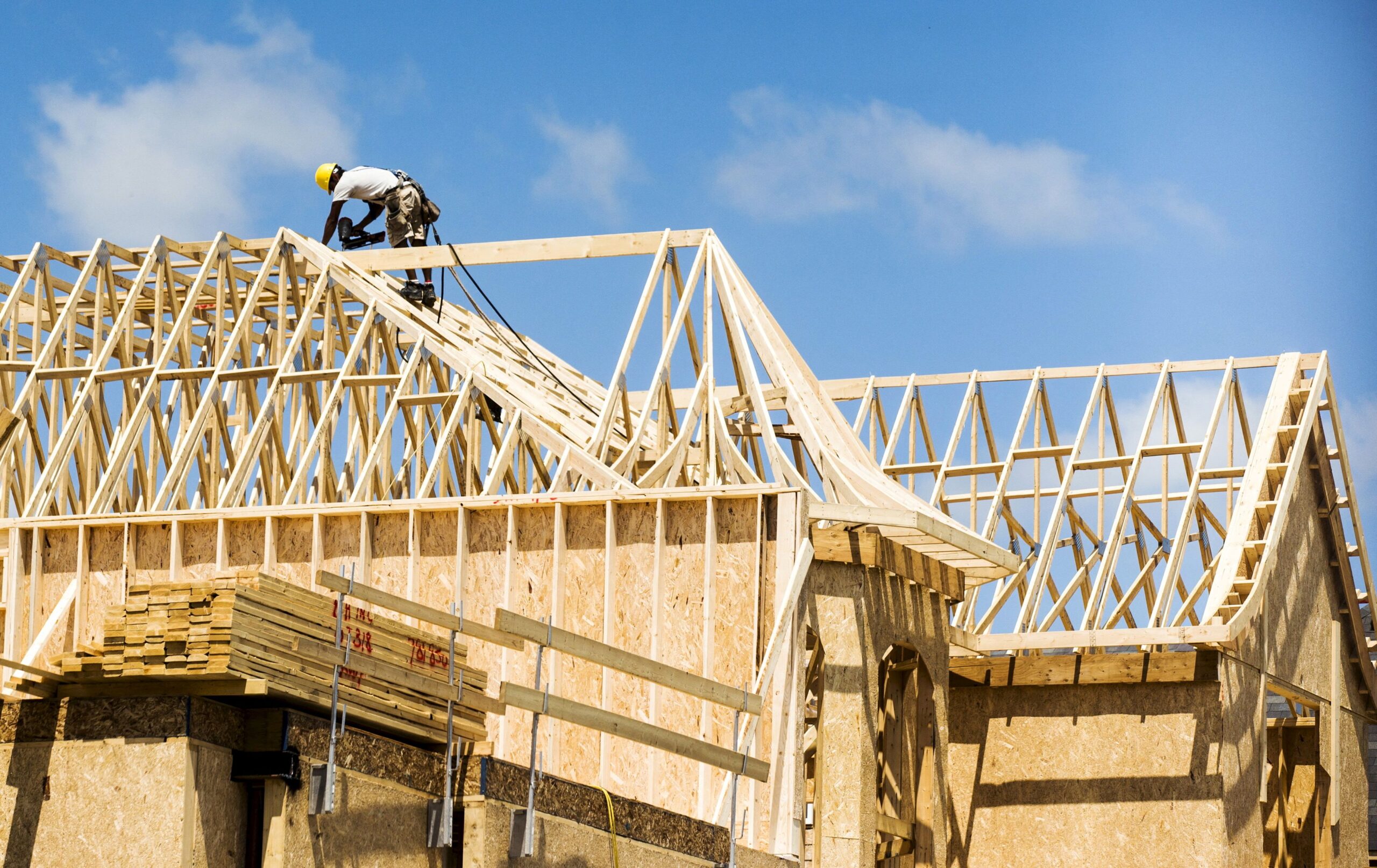
New construction starts with a site and creates a new structure from the ground up.
That gives you greater control over the layout, structural design, mechanical systems, energy performance, and finishes.
When Remodeling Makes Sense
Remodeling may be the better choice when the existing house has a solid structure and the location works well for you.
You Like the Property
Location is difficult to replace.
If your house is in a neighborhood you love, close to family, work, schools, parks, or other amenities, remodeling may allow you to improve the house without giving up the property.
The Structure Is in Good Condition
If the foundation, framing, roof structure, and major systems are generally sound, remodeling can be an efficient way to improve the home.
A contractor can evaluate the existing structure and help determine which components can remain and which should be replaced.
You Need Specific Improvements
A renovation may be ideal when your needs are relatively focused.
Examples include:
- Kitchen remodeling
- Bathroom remodeling
- Basement finishing
- Home additions
- Open-plan conversions
- New flooring
- New windows
- Exterior improvements
- Energy-efficiency upgrades
When New Construction May Make More Sense
Building a new home can make more sense when the existing property has extensive problems or when you want to change the home fundamentally.
The Existing Layout Doesn’t Work
Older homes can have layouts that are difficult to adapt.
You may want larger rooms, more bathrooms, a different kitchen location, additional bedrooms, better storage, or a completely different flow between living spaces.
At a certain point, modifying the existing structure can become more complicated than starting over.
The House Needs Extensive Structural Work
If a property requires major foundation repairs, extensive structural modifications, complete mechanical replacement, and substantial interior renovation, the costs can add up quickly.
A professional assessment can help determine whether renovation remains practical.
You Want a Highly Customized Home
New construction gives you the opportunity to design the house around your lifestyle from the beginning.
You can determine:
- Room sizes
- Floor-plan layout
- Ceiling heights
- Window placement
- Storage
- Electrical locations
- Plumbing locations
- HVAC design
- Exterior appearance
- Energy-efficiency features
- Finishes
This level of control is one of the biggest advantages of building new.
New Construction vs. Remodeling: Cost
It is tempting to assume remodeling is always cheaper than new construction.
That isn’t necessarily true.
A small renovation may cost substantially less than constructing an entire house. However, a major renovation can become expensive when it involves structural changes, new plumbing, electrical upgrades, new HVAC systems, replacement windows, roofing, insulation, and extensive finishes.
The key is to compare the complete scope, not just the initial construction price.
Ask:
- What needs to be removed?
- What can remain?
- What needs structural reinforcement?
- Which systems need replacement?
- Are permits required?
- Are there hidden conditions?
- How much demolition is involved?
- Will the existing structure need to be brought up to current requirements?
Remodeling Can Reveal Unexpected Problems
One of the biggest differences between remodeling and new construction is uncertainty.
When building a new house, most of the work is defined before construction begins.
With an existing house, some conditions remain hidden until walls, floors, ceilings, or other components are opened.
A remodeling project may uncover:
- Water damage
- Outdated wiring
- Plumbing problems
- Structural deficiencies
- Mold or deterioration
- Poor insulation
- Previous unapproved work
- Damaged framing
This does not mean remodeling is a bad choice.
It simply means your budget should account for the possibility of unexpected work.
What About the Timeline?
A remodeling project can sometimes be completed faster than new construction, especially when the scope is limited.
However, major renovations can take longer than homeowners expect.
Demolition, structural modifications, inspections, material availability, and working around existing systems can complicate the schedule.
New construction has a longer overall process because the project starts from the site preparation stage, but the work can be easier to sequence because the entire building is designed as one coordinated project.
Living Through a Remodel vs. Building New
Another important consideration is where you will live during construction.
Some small renovations can be completed while the homeowner remains in the house.
Large renovations are different.
If the kitchen, bathrooms, electrical system, HVAC, or major portions of the home are being replaced, living in the property may be inconvenient or impractical.
New construction usually means you will need another living arrangement until the house is completed, but you don’t have to live through demolition and construction inside your existing home.
Which Option Gives You More Design Freedom?
New construction wins when maximum design flexibility is the priority.
With a new house, the design can be developed around your needs from the beginning.
Remodeling is more constrained by the existing:
- Foundation
- Structural walls
- Roof
- Plumbing
- Electrical
- Windows
- Building footprint
- Property setbacks
Experienced contractors can overcome many of these limitations, but structural changes can add complexity and cost.
Which Option Is More Sustainable?
There isn’t a simple answer.
Remodeling can preserve an existing structure and reduce the need for demolition and new materials.
New construction, however, gives you an opportunity to design a highly efficient building from the beginning, including modern insulation, windows, mechanical systems, and other performance features.
The most sustainable choice depends on the existing property’s condition and what you intend to build.
Questions to Ask Before Choosing
Before deciding between remodeling and new construction, consider:
1. Do I like the location?
If the answer is yes, remodeling deserves serious consideration.
2. Is the existing structure fundamentally sound?
Have a qualified professional evaluate the property before making assumptions.
3. How much do I want to change?
A new kitchen is very different from completely rebuilding the interior of the house.
4. What is my budget?
Establish your total project budget rather than focusing only on the construction portion.
5. How long can I tolerate construction?
Consider where you will live and how much disruption you can handle.
6. How important is customization?
If you want a home designed specifically around your lifestyle, new construction may provide greater flexibility.
New Construction or Remodeling: The Bottom Line
The decision ultimately comes down to the relationship between your existing property and your goals.
Remodeling can be an excellent solution when you love the location and the existing structure has a good foundation for improvement.
New construction may be the better choice when the existing home has major limitations or when you want a completely customized property.
The best way to decide is to have the existing house evaluated and compare the expected remodeling scope with the cost and benefits of building new.
A qualified construction professional can help identify structural issues, estimate the scope of work, and explain which option makes the most sense for your property.
Thinking about transforming your home? Contact our construction team to discuss whether remodeling or new construction is the better fit for your project.