Building a home is much easier when the planning happens before construction begins.
A successful construction project isn’t simply about putting materials together on a job site. It requires coordination between the homeowner, designer, engineers, contractor, subcontractors, suppliers, inspectors, and other professionals.
This guide explains the major steps involved in planning a home construction project. You can also use our sevices and our team to help you in your project.
Step 1: Define Your Goals
Start with the most basic question:
What do you want the house to accomplish?
Think beyond the number of bedrooms.
Consider:
- How many people will live there?
- Do you work from home?
- Do you need a home office?
- Do you entertain frequently?
- Do you need a garage or workshop?
- Do you want outdoor living space?
- Will your family grow?
- Do you need accessible features?
- How important is energy efficiency?
- Which rooms matter most to you?
These decisions help shape the design.
Step 2: Establish Your Budget
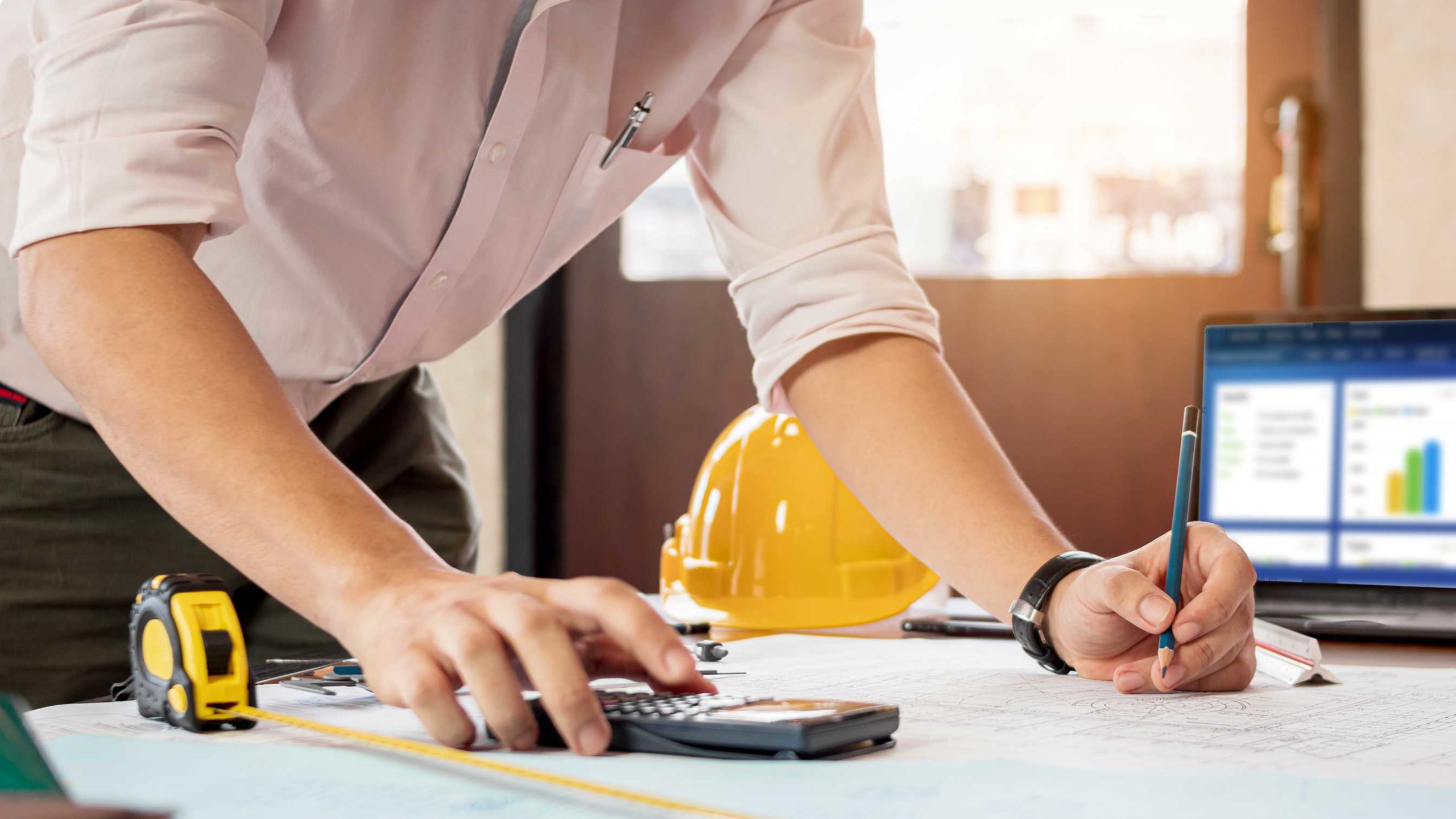
Before becoming attached to a particular design, establish a realistic budget.
Your budget may need to cover more than the construction contract.
Consider:
- Land
- Design
- Engineering
- Permits
- Site preparation
- Construction
- Utilities
- Landscaping
- Driveways
- Appliances
- Furniture
- Financing
- Professional fees
Also establish a contingency for unexpected costs.
The goal isn’t to predict every expense perfectly.
The goal is to understand your financial limits before major commitments are made.
Step 3: Evaluate the Building Site
The property itself can have a major effect on the project.
Before finalizing the design, investigate:
- Soil conditions
- Drainage
- Slope
- Access
- Existing structures
- Trees
- Utilities
- Property boundaries
- Setbacks
- Easements
- Local building requirements
A site that looks straightforward from the road may present challenges once construction begins.
Early investigation can prevent expensive surprises.
Step 4: Develop the Design
Once the goals and site are understood, the design process can begin.
Architectural plans should establish the overall layout and appearance of the house.
Depending on the project, additional plans may cover:
- Structural design
- Electrical systems
- Plumbing
- HVAC
- Energy performance
- Exterior details
- Landscaping
The construction team should have sufficiently detailed information before major work begins.
Step 5: Choose Materials and Finishes
Material selection can dramatically affect both cost and schedule.
Create a list of major selections early, including:
- Roofing
- Windows
- Exterior doors
- Flooring
- Cabinets
- Countertops
- Tile
- Plumbing fixtures
- Lighting
- Interior doors
- Paint
- Appliances
Waiting until construction is underway to make every decision can cause delays.
Early selections give the contractor more time to order materials and coordinate installation.
Step 6: Understand the Permitting Process
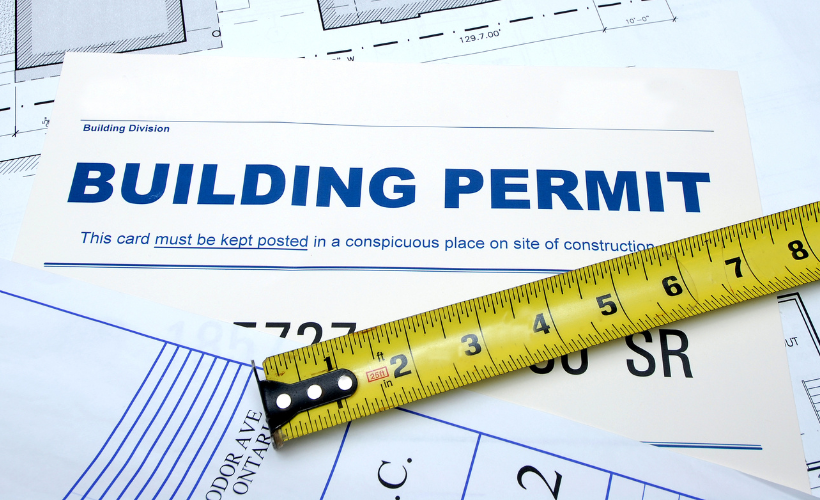
Most construction projects require some form of approval before work can begin.
The exact requirements depend on the location and project.
Permitting may involve architectural drawings, structural information, site plans, inspections, and other documentation.
Ask your contractor early:
- Which permits are required?
- Who will apply for them?
- How long can approvals take?
- Which inspections are required?
- Are there local design restrictions?
Understanding the approval process helps establish a realistic schedule.
Step 7: Select the Right Contractor
Choosing a contractor is one of the most important decisions in the project.
Do not select a contractor based solely on the lowest quote.
Instead, evaluate:
- Relevant experience
- Previous projects
- References
- Insurance
- Licensing where applicable
- Communication
- Contract clarity
- Construction schedule
- Subcontractor relationships
- Warranty and after-completion support
Ask prospective contractors how they handle changes, delays, material shortages, inspections, and unexpected site conditions.
A good contractor should be able to explain the process clearly.
Step 8: Review the Contract Carefully
Before construction begins, make sure you understand exactly what the contract includes.
Pay attention to:
- Scope of work
- Contract price
- Payment schedule
- Materials
- Allowances
- Start date
- Estimated completion
- Change-order procedures
- Warranty
- Responsibilities of each party
If something important was discussed during meetings but isn’t reflected in the contract or attached documents, ask for clarification.
A detailed written scope helps prevent misunderstandings later.
Step 9: Prepare for Construction
Once the plans, approvals, contract, and major selections are complete, the project can move toward construction.
Depending on the site, early work may include:
- Site preparation
- Excavation
- Foundation
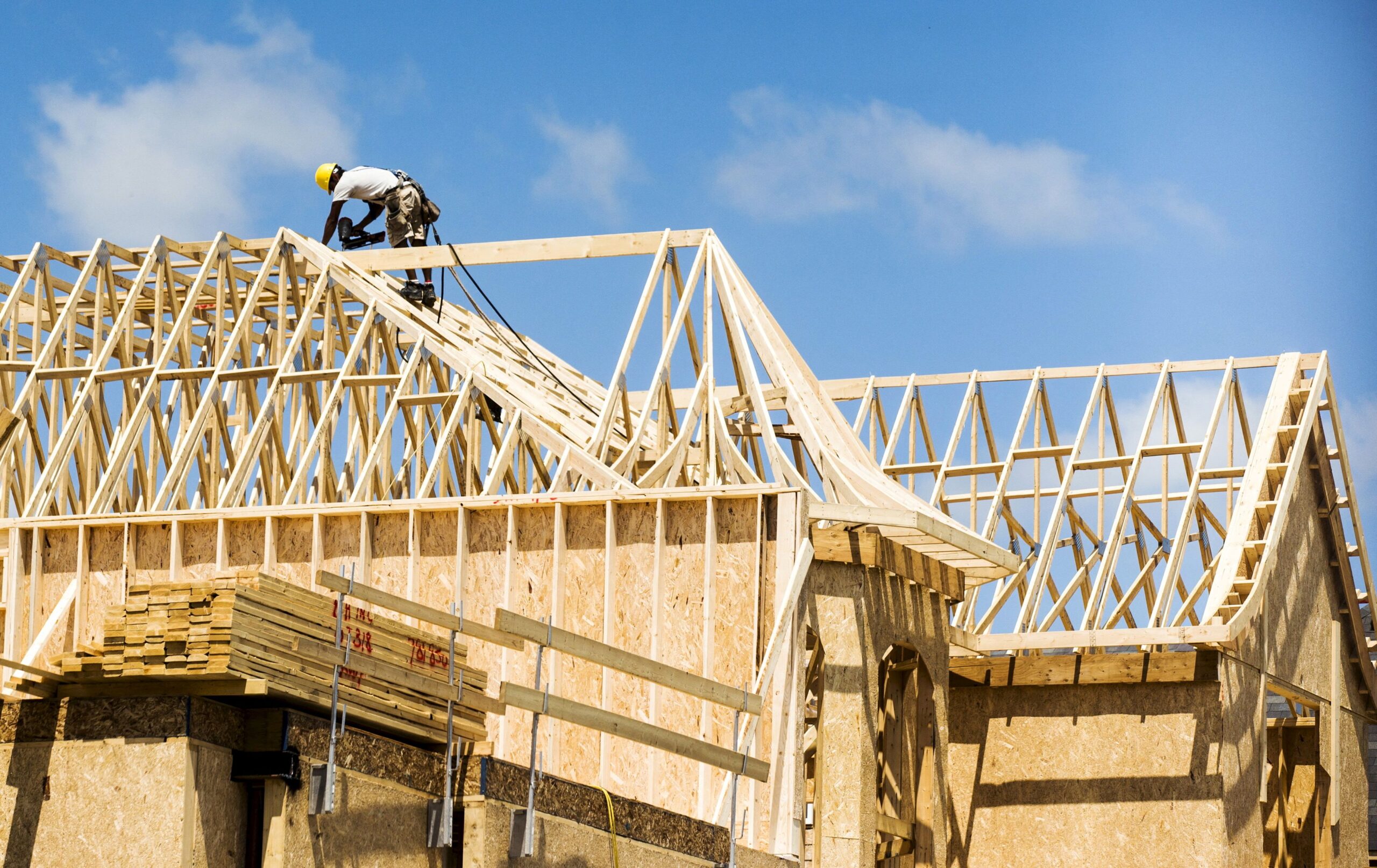
- Structural framing
- Roofing
- Exterior enclosure
- Plumbing, electrical, and HVAC
- Insulation
- Drywall
- Interior finishes
- Exterior work
- Final fixtures and equipment
- Inspections
- Final corrections
The exact sequence varies by project.
Step 10: Maintain Communication
Construction projects involve hundreds of decisions.
Regular communication between the homeowner and contractor helps keep everyone aligned.
Establish how updates will be handled.
For example:
- Weekly site meetings
- Written progress updates
- Budget updates
- Change-order approvals
- Material-selection deadlines
- Schedule updates
You don’t need to manage the construction site yourself.
But you do need a reliable communication process.
Step 11: Control Changes
Changes are one of the easiest ways for a construction project to become more expensive or take longer.
Sometimes a change is necessary.
Other times it can be avoided through better planning.
Before approving a change, ask:
What will it cost?
Will it change the schedule?
Does it affect other trades?
Does it require a permit revision?
Is it worth making the change now?
Having this information before approving the work makes budgeting much easier.
Step 12: Prepare for the Final Inspection and Handover
As construction approaches completion, the project moves into the final stage.
Your contractor may need to coordinate final inspections, testing, corrections, cleaning, and documentation.
Create a punch list of items that need attention before the project is considered complete.
These might include:
- Paint touch-ups
- Door adjustments
- Fixture corrections
- Trim repairs
- Missing hardware
- Landscaping items
- Final cleaning
The final stage is also a good time to collect warranties, manuals, permits, drawings, and other relevant documentation.
Common Home Construction Planning Mistakes
Starting Construction Before the Design Is Ready
Beginning work before the plans are sufficiently developed can create changes and rework.
Underestimating Site Costs
The building itself isn’t the only expense. Site preparation, drainage, utilities, and access can significantly affect the budget.
Choosing a Contractor Based Only on Price
A low bid isn’t necessarily the lowest final cost.
An incomplete scope can make a quote appear cheaper than competing bids.
Making Too Many Changes During Construction
Changes become more expensive once work has already started.
Waiting Too Long to Select Materials
Delayed decisions can hold up multiple trades.
Failing to Keep a Contingency
Unexpected conditions happen in construction.
A contingency gives the project some financial breathing room.
A Simple Home Construction Planning Checklist
Before construction begins, make sure you have:
- Defined your project goals
- Established your overall budget
- Evaluated the building site
- Completed architectural plans
- Completed necessary engineering
- Identified permit requirements
- Selected a qualified contractor
- Reviewed the construction contract
- Established the project schedule
- Selected major materials
- Established a communication process
- Planned for contingencies
- Understood the change-order process
Final Thoughts
Good construction starts long before the first excavation.
Careful planning gives homeowners greater control over their budget, schedule, design, and expectations.
The objective isn’t to eliminate every possible problem. Construction is too complex for that.
The objective is to identify as many decisions and potential problems as possible before they become expensive problems on the job site.
If you’re planning a new home, working with an experienced construction contractor early in the process can help you turn your ideas into a realistic scope, budget, and construction plan.
Have a project in mind? Contact our construction team to discuss your property, plans, budget, and next steps.